
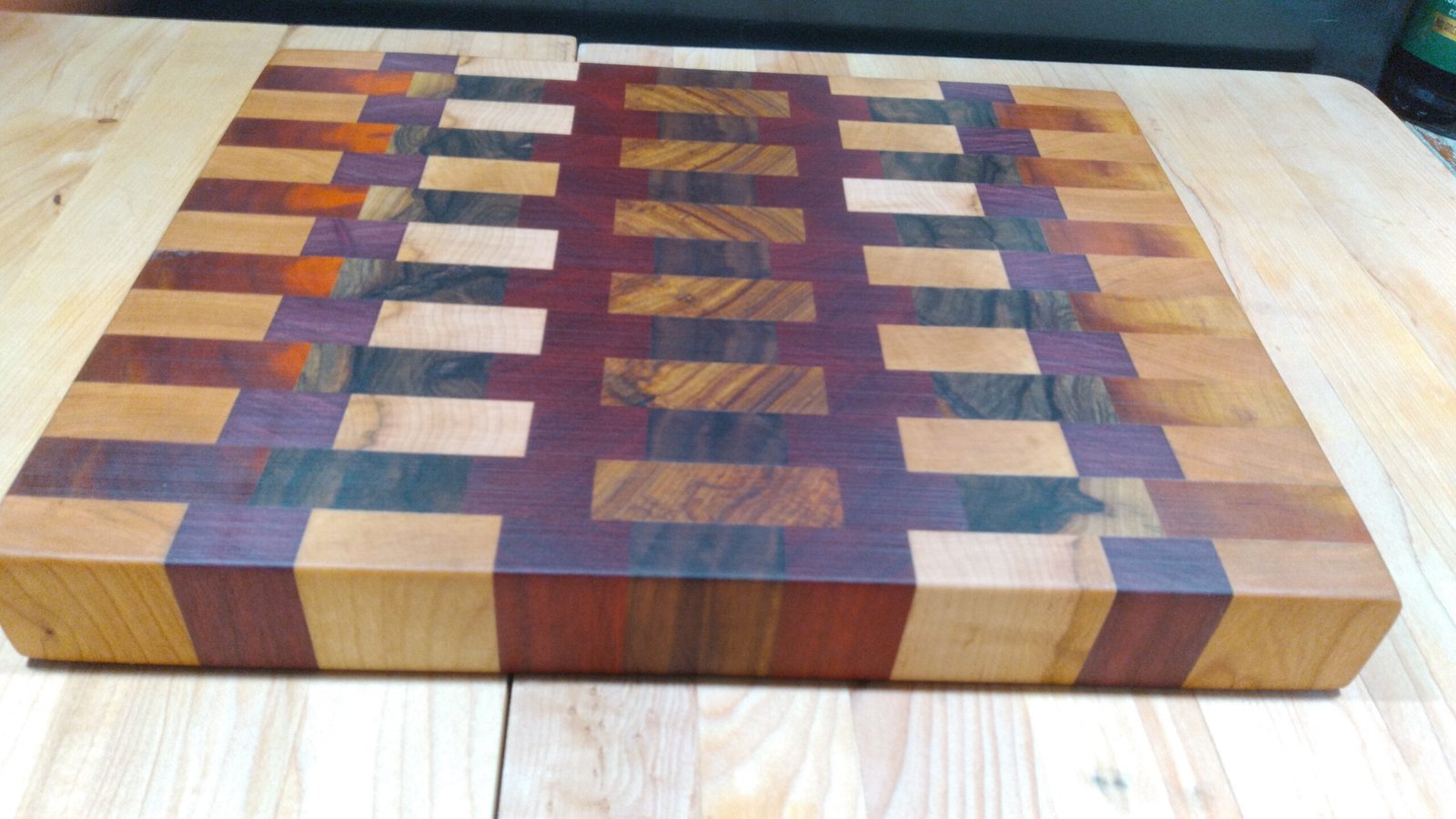
Board Care
Care instructions:
• Hand wash only
• Never soak
• Never use a dishwasher
• Reapply food-safe mineral oil when needed
Detailed instructions on board care.
What is the proper way to maintain your cutting boards, butcher blocks and counter tops? Quick Answer: To properly maintain cutting boards, butcher blocks, and wood countertops, you should clean them daily with mild soap and water, disinfect periodically with vinegar or diluted hydrogen peroxide, dry thoroughly, and oil them regularly with food-safe mineral oil or beeswax. Avoid soaking, harsh chemicals, and prolonged moisture exposure.

Daily Cleaning • Wipe after each use with warm water and mild dish soap. • Scrub gently with a soft sponge or cloth—avoid steel wool or abrasive pads that can damage the grain. • Disinfect naturally: white vinegar or diluted hydrogen peroxide works well for sanitizing without harsh chemicals. • Dry immediately with a towel; never let wood sit wet, as it can warp or crack.

Regular Oiling & Conditioning • Frequency: Oil every 3–4 weeks for cutting boards, and monthly for butcher blocks/countertops (more often in dry climates). • Best oils: Food-grade mineral oil, beeswax blends, or specialized butcher block conditioners. • Application: 1. Warm the oil slightly for better absorption. 2. Apply generously with a clean cloth, working with the grain. 3. Let it soak overnight, then wipe off excess. • Why it matters: Oiling prevents drying, cracking, and bacterial absorption by sealing the pores.

Deep Cleaning & Stain Removal • Salt + lemon scrub: Sprinkle coarse salt, rub with half a lemon to lift stains and odors. • Baking soda paste: For stubborn marks, mix baking soda with water and scrub gently. • Hydrogen peroxide rinse: Useful for sanitizing after raw meat contact.

Long-Term Maintenance • Resealing countertops: Every 6–12 months, apply a penetrating oil or wax finish to keep surfaces resilient. • Avoid direct cutting on countertops: Even though butcher block is durable, repeated knife use shortens its life—use cutting boards for heavy chopping. • Sand lightly if needed: For deep stains or scratches, a fine-grit sanding followed by re-oiling restores the surface. • Temperature caution: Never place hot pans directly on wood; use trivets to prevent burns and discoloration.

What NOT to Do • Don’t soak boards in water or put them in the dishwasher. • Don’t use vegetable oils (they can go rancid). • Don’t rely on bleach—it can damage fibers and leave harmful residue. In short: Keep wood surfaces clean, dry, and nourished with oil. Cutting boards need more frequent attention, butcher blocks benefit from monthly conditioning, and countertops require periodic resealing. With consistent care, they’ll stay beautiful and functional for decades